Low public tuition
Many public universities charge no tuition for first degrees and most consecutive master's programs, with semester contributions still payable.
Plan German higher education with clear guidance on public universities, English-taught programs, admission documents, APS, costs, blocked account planning and student visa files.
Book Free Counselling

Many public universities charge no tuition for first degrees and most consecutive master's programs, with semester contributions still payable.
Germany is strong in engineering, sciences, technology, health research, sustainability and applied innovation.
International master's programs are widely available, while German language skills remain valuable for daily life and work.
Students can target programs linked with automotive, manufacturing, software, energy, finance and life-science sectors.
Cities offer public transport, student discounts, museums, clubs, outdoor spaces and a strong international community.
Graduates may be able to stay for job search and skilled work routes, subject to current German residence rules.
Germany offers bachelor's, master's, doctoral and preparatory pathway options through universities, universities of applied sciences, technical universities and arts institutions. Program fit depends on academic background, language level, subject restrictions and whether a Studienkolleg or entrance assessment is needed.
Rankings refer to QS World University Rankings 2027. Course availability, language requirements, tuition rules and application deadlines can change, so verify details on the university website.
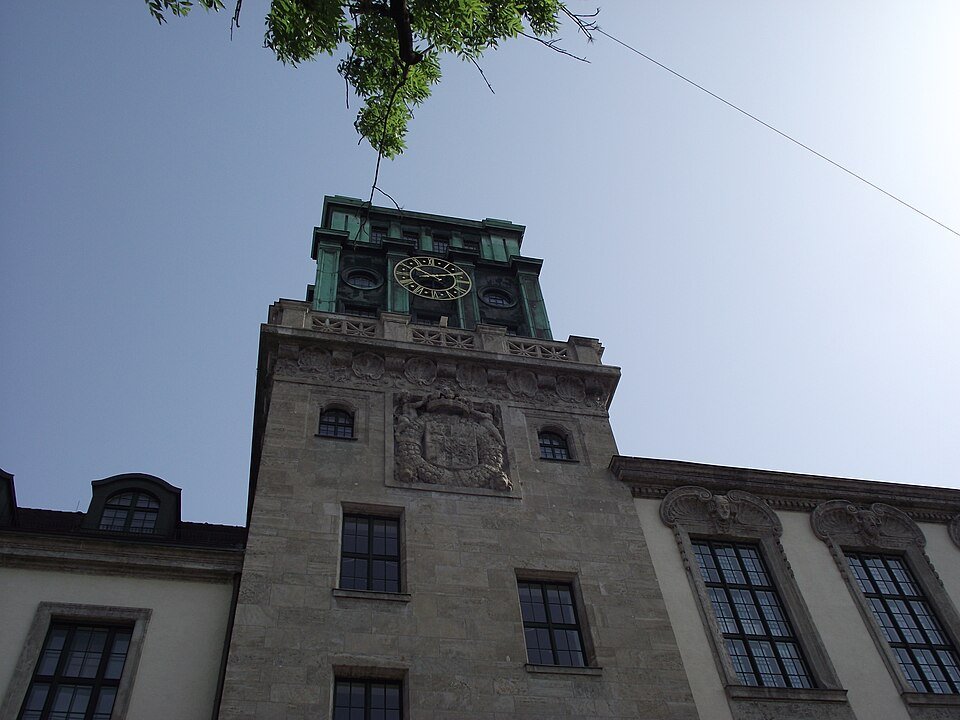
Munich
TUM is a leading technical university with strong science, engineering, medicine, technology and management programs. Course availability, entry rules and fees should always be checked on the university website.
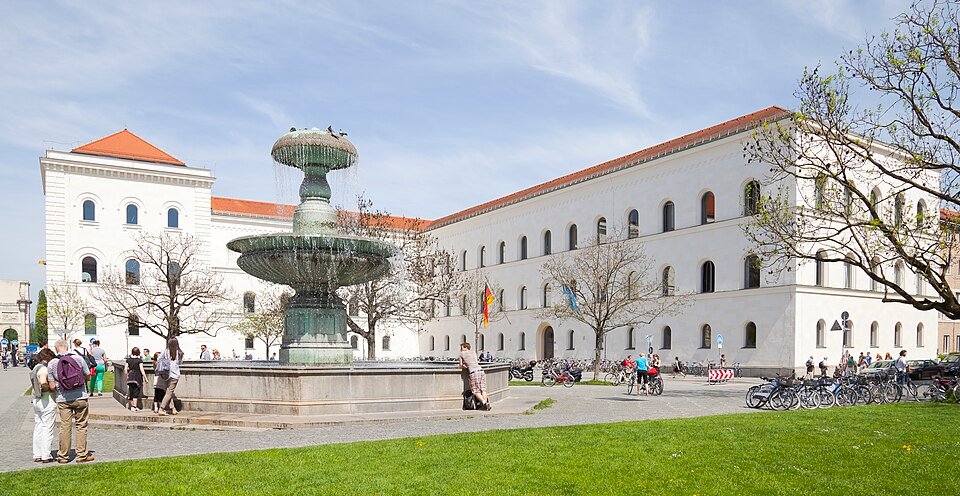
Munich
LMU Munich is a comprehensive research university with broad strengths across sciences, medicine, humanities, law, economics and social sciences. Students should verify program language and entry requirements before applying.
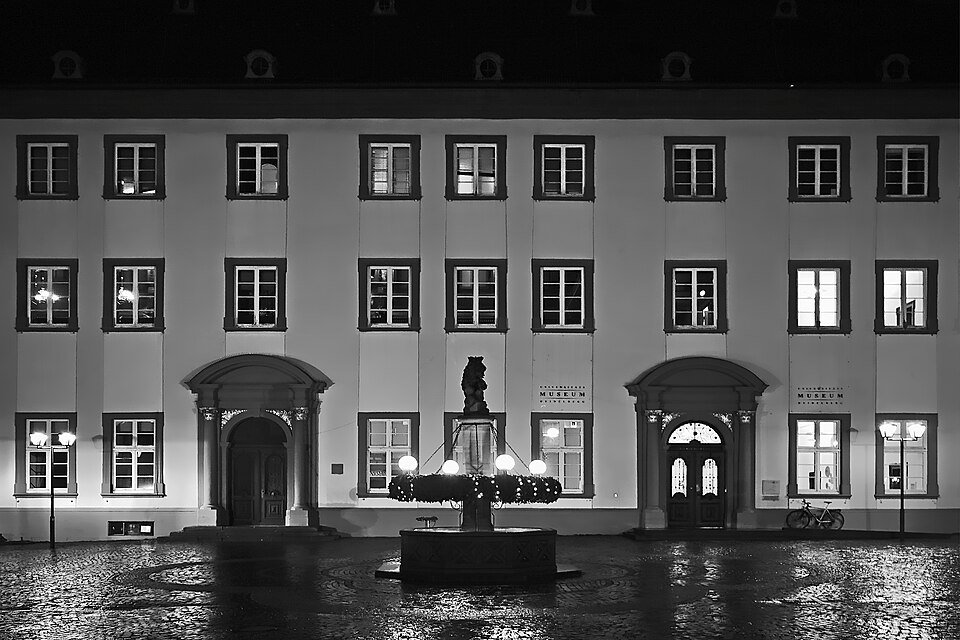
Heidelberg
Heidelberg University is known for research-led study across medicine, life sciences, natural sciences, humanities and social sciences. Applicants should check subject-specific admission and language rules.
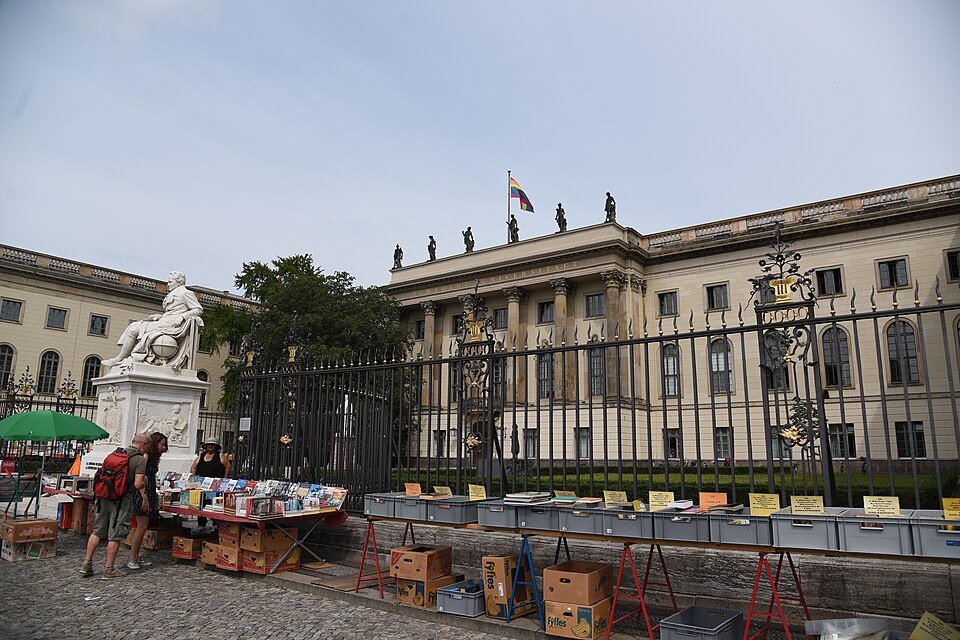
Berlin
Humboldt University of Berlin offers a broad research environment across humanities, social sciences, natural sciences, economics, law and medicine-linked study routes. Program details should be checked directly.
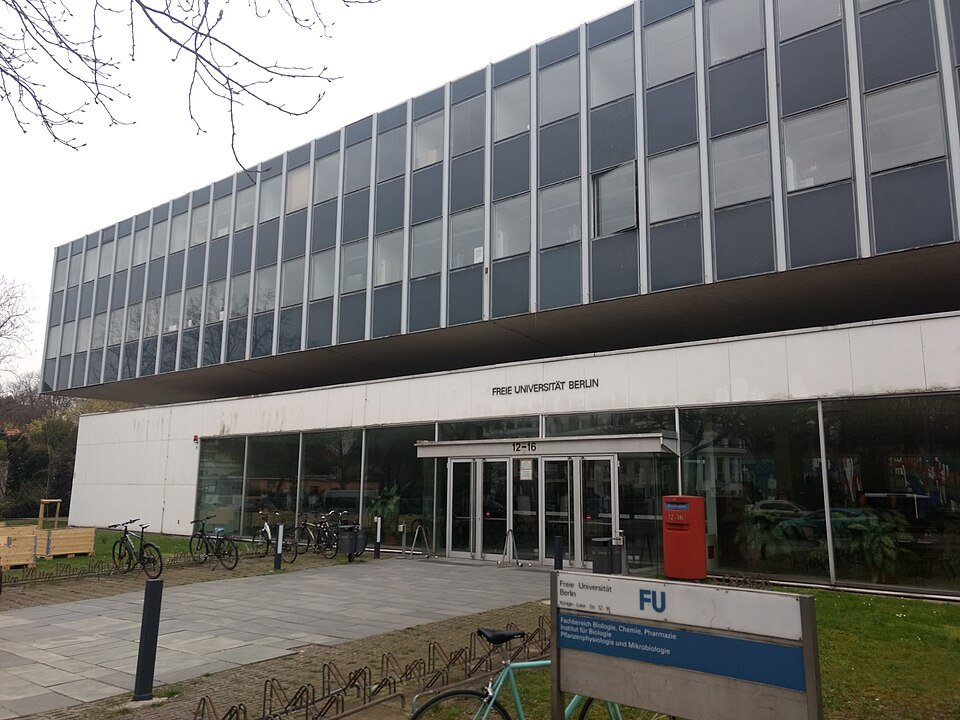
Berlin
Free University of Berlin is a major research university in Germany's capital with strengths across humanities, social sciences, natural sciences, business, law and international study routes.
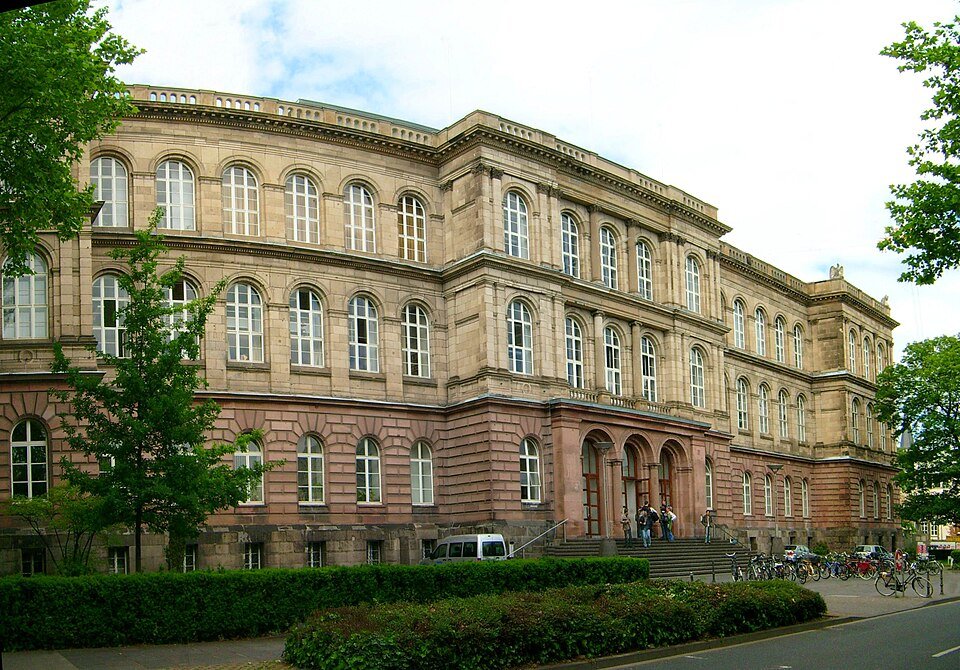
Aachen
RWTH Aachen University is known for engineering, technology, applied sciences and industry-connected learning. Applicants should verify course language, numerus clausus and document rules for each program.
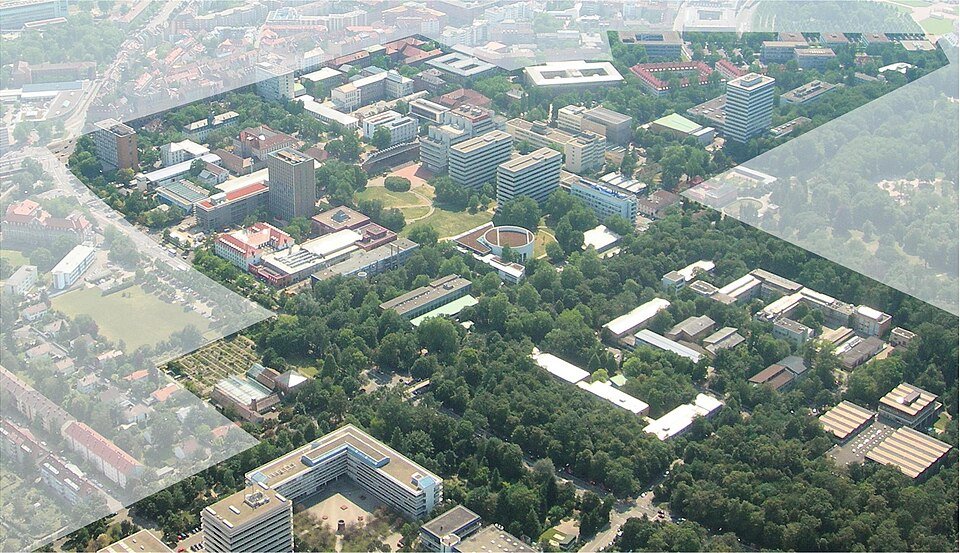
Karlsruhe
KIT combines university education with a strong technology and research profile in computing, engineering, natural sciences, energy, materials and economics-related programs.
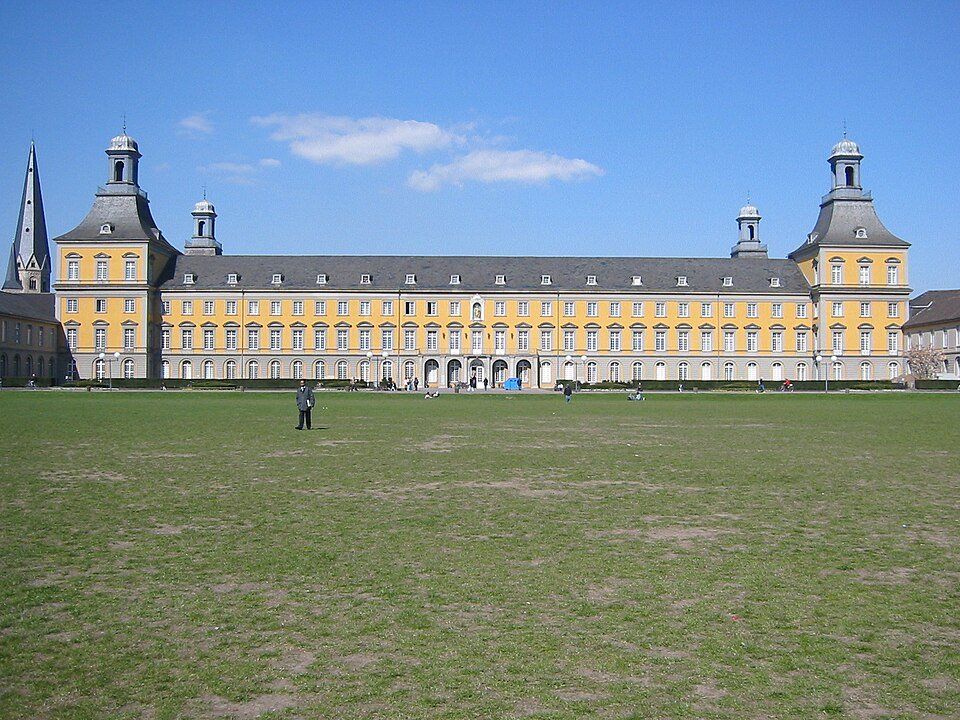
Bonn
University of Bonn offers research-led study across mathematics, economics, life sciences, agriculture, medicine, law, humanities and social sciences. Entry details vary by program and language route.
Tuition: Many public universities charge no tuition for bachelor's courses and most consecutive master's courses, but semester contributions normally apply. Some states, universities, private institutions and selected master's programs may charge tuition.
Living costs: Students should budget around 900 to 1,200 EUR per month depending on city, rent, health insurance, transport and lifestyle.
For a German study visa, proof of funds is required. Official guidance lists at least 11,904 EUR for 2026, usually shown through a blocked account, scholarship or recognised sponsor.
DAAD, university, merit-based and research scholarships may be available. Eligibility conditions apply and funding is not guaranteed.
The winter intake, usually starting around October, is the main intake. The summer intake, usually starting around April, is available for selected programs. Deadlines vary widely.
German student visa and residence rules can change. International students from outside the EU can generally work up to 140 full days or 280 half days per year, or up to 20 hours per week, while studying.
After graduation, eligible students may apply for up to 18 months to search for qualified employment and then move to a skilled worker route or EU Blue Card if requirements are met.
Official German study visa information
Official DAAD study information
Last reviewed: 10 August 2026
Germany can be a strong option for students seeking research, engineering, science, business or low public tuition routes. Fit depends on academics, language, budget and visa readiness.
Winter intake has the widest program choice. Summer intake is useful for selected courses, but availability and deadlines must be checked university by university.
GoAbroad helps organise shortlisting, SOP, CV, document planning, APS guidance, application steps and student visa file preparation.
No. Scholarships are competitive and depend on academic merit, program fit, deadlines, research profile and available funding.
Always verify current rules through the German mission, Make it in Germany, DAAD and the relevant foreigner's authority guidance for your case.
No. Many master's programs are taught in English, while many bachelor's programs and local job opportunities require German. Each program sets its own language rules.
Get practical counselling for German universities, intakes, documents, APS, blocked account planning and student visa files.
Contact GoAbroadVisa, admission, scholarship, fee and work-right information can change. Content on this website is for general guidance only and does not constitute legal or immigration advice. Students should verify current requirements through the relevant university and official German authority.